

What Size PA System Do I Need?
Choosing the right PA system for your event can be difficult. People often underestimate or overestimate the size of the PA system they need. The size and type of PA system you select can influence sound quality and coverage, and it can also affect the cost.
Underestimating the required size often results in insufficient volume and poor sound clarity. This is especially common in larger or noisier venues. In contrast, overestimating can lead to unnecessarily high costs for a complex setup.
In this guide, we’ll explore how a PA system functions, compare different types, such as active and passive systems, and discuss indoor versus outdoor requirements.
What Is a PA System and How Does It Work?
A public address (PA) system is used to broadcast sound clearly across a space or to a large audience. It consists of audio equipment designed to amplify voices or music. Typically, a PA system includes microphones, a mixer, amplifiers and speakers.
The microphone captures the sound, which is then sent to the mixer, where levels and tones can be adjusted. From there, the signal is passed to an amplifier, which boosts the sound to a suitable level. The speakers project the sound out to the audience.
There are two main types: passive and active speaker PA systems.
A passive system requires an external amplifier to power the speakers, whereas an active speaker PA system has built-in amplification. This makes active systems more convenient and quicker to set up, especially for smaller events. Passive systems can offer greater flexibility and scalability for larger or more complex setups.
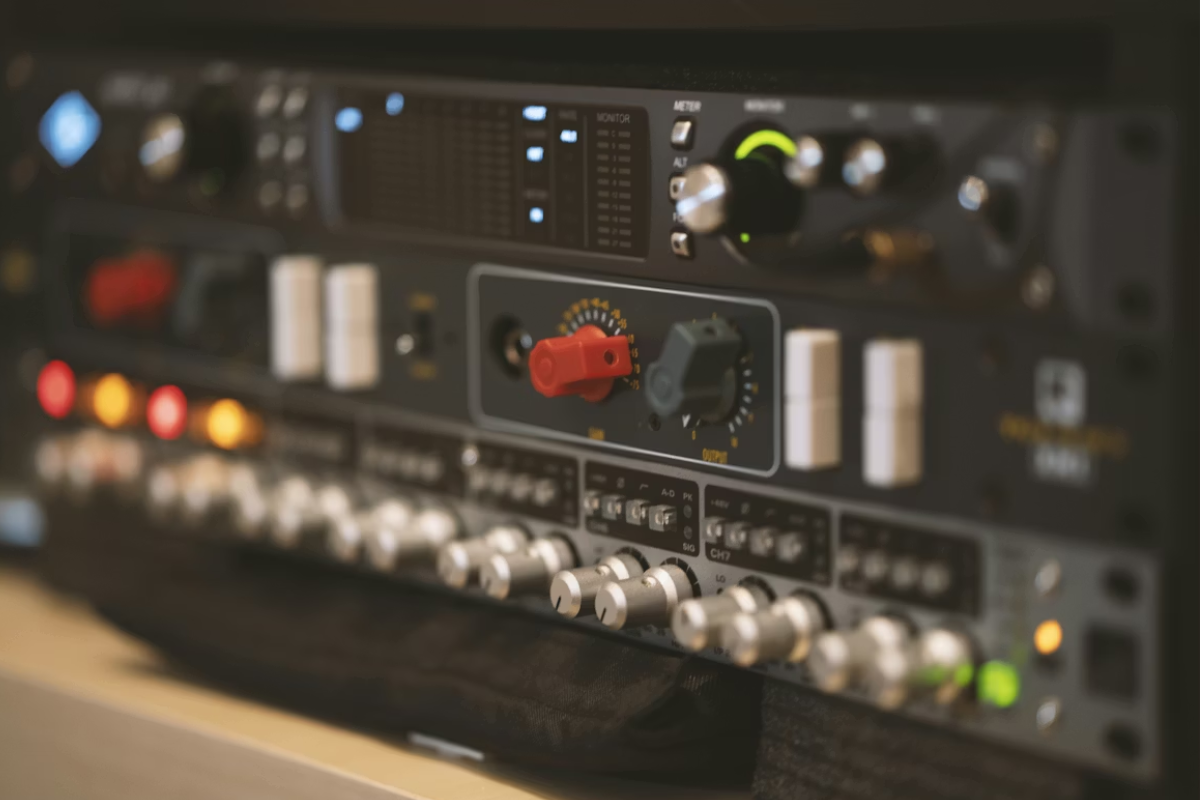
A PA system typically includes microphones, a mixer, amplifiers and speakers.
What Size PA System Do I Need for My Event?
The answer depends on several key factors, starting with your audience size. A small gathering of 50 people will require much less power than a crowd of several hundred.
Venue type is another key consideration, as indoor spaces often require less volume than outdoor events. Outdoor environments lack natural sound reflection, meaning you’ll need more powerful speakers to achieve the same coverage.
The type of event also plays a big role, whether it’s a speech, a DJ set or a live band performance. It’s also important to consider sound quality, not just volume, especially for music-based events.
Another key factor is headroom, which means having extra power available so the system isn’t pushed to its limits. Running a system at maximum capacity can lead to distortion and reduced equipment lifespan. Choosing the right size ensures consistent sound without unnecessary strain on the system.
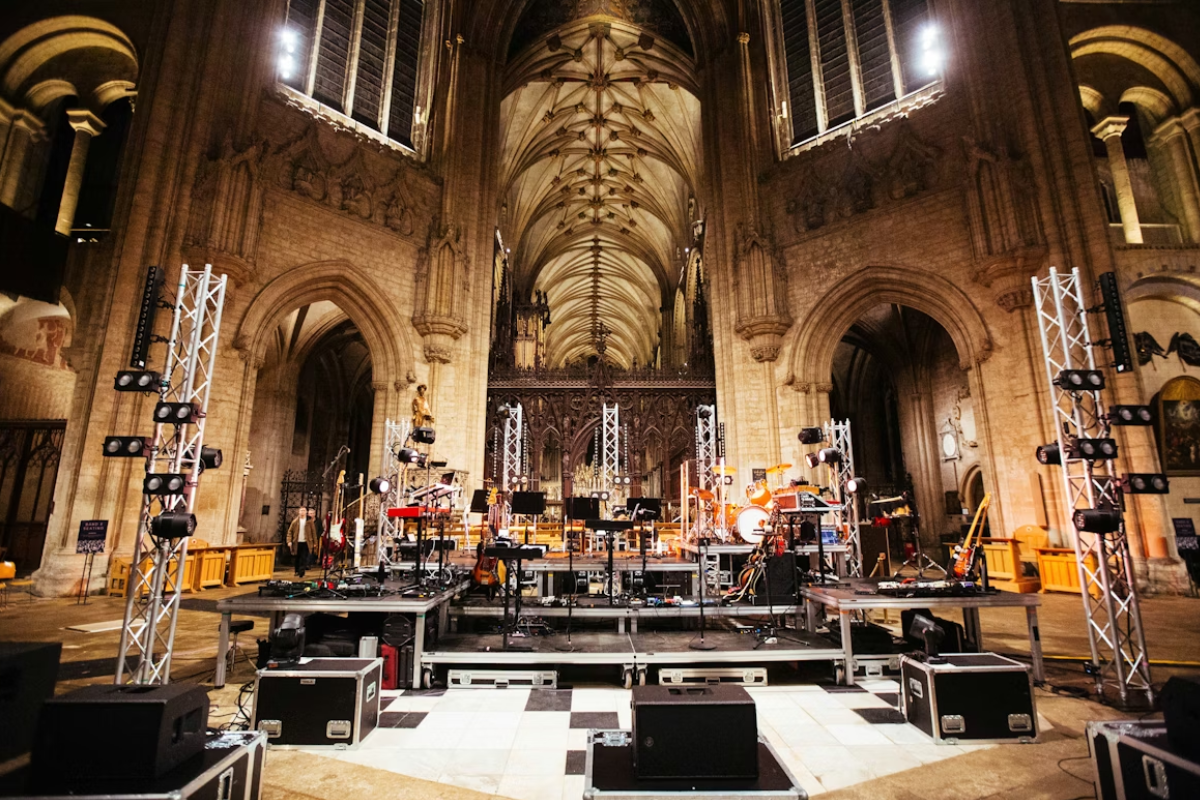
It’s important to consider the venue type, as indoor spaces often require less volume than outdoor events.
Choosing Between Active and Passive Speaker PA Systems
One of the first decisions you’ll face is whether to select an active speaker PA system or a passive setup. An active speaker PA system has built-in amplifiers, meaning each speaker powers itself without external amplification.
This makes active systems convenient for quick setups and smaller events. They are often the preferred choice for portable PA systems with wireless microphone setups. Because fewer components are required, active systems are generally easier to transport and install.
Passive systems rely on separate amplifiers to drive the speakers. While this adds complexity, it also allows for greater control and scalability. Passive setups are often used in larger venues or permanent AV installations where flexibility is key. They can handle more complex audio requirements and are easier to expand as your needs grow.
Indoor vs Outdoor PA System Requirements
The environment you’re working in has a significant impact on the type and size of PA system you’ll require. Indoor venues usually benefit from natural acoustics, as walls and ceilings help reflect sound across the space. This means you can often use a smaller system while still achieving good coverage.
An outdoor event demands much more power because sound dissipates quickly in open air. With no surfaces to reflect the sound, speakers have to work harder to reach the audience. Wind and ambient noise can also disrupt sound clarity, making a higher output necessary.
Durability becomes especially important for longer events or festivals. In many cases, you’ll need to scale up your system size for outdoor use compared to an equivalent indoor event. Planning for these differences ensures your audience hears clear sound regardless of the environment.
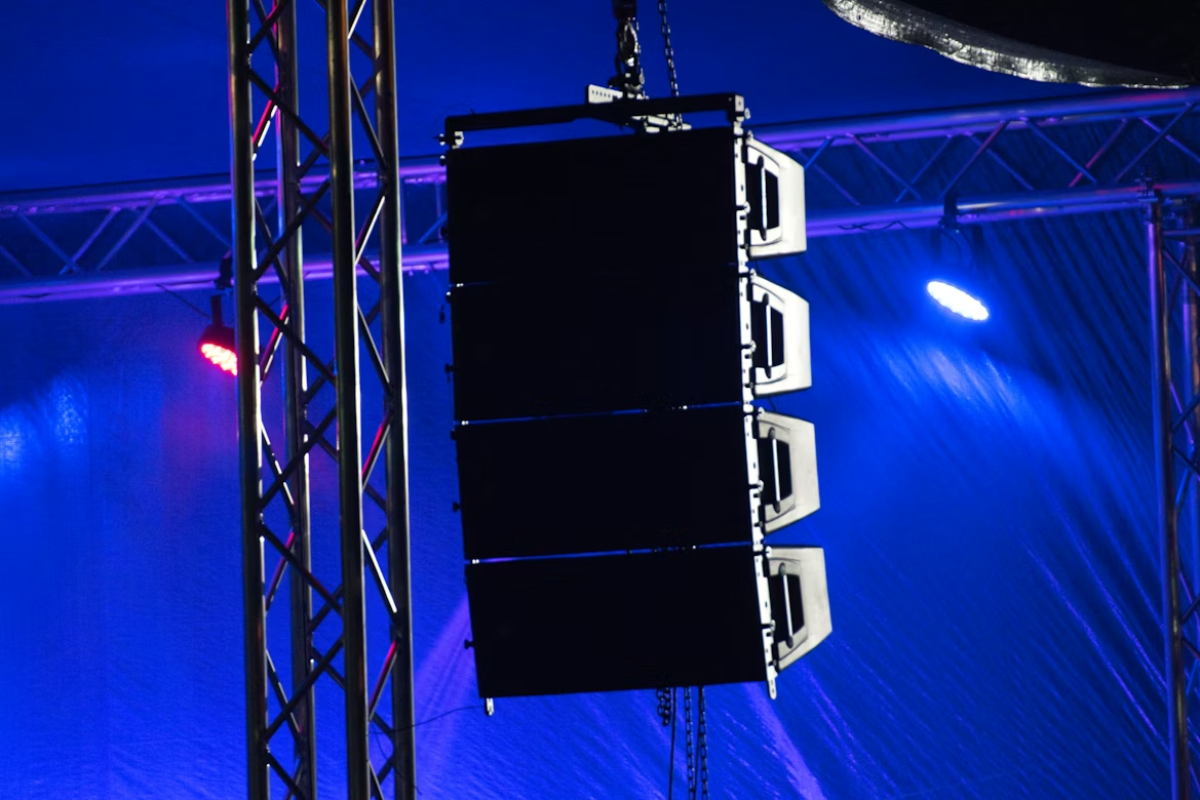
PA systems are used to broadcast sound clearly across a space or to a large audience.
Should I Buy or Use PA System Hire?
Deciding whether to purchase equipment or rent a PA system depends on how often you plan to use it. For one-off events, hiring is usually the most cost-effective option. PA system hire gives you access to high-quality, professional-grade equipment without the upfront investment.
For businesses or venues that host events regularly, buying a system may be a better long-term investment. Owning your own equipment allows for greater control and availability whenever needed. However, it also comes with maintenance and storage responsibilities.
At Spartan AV, we can recommend the right system based on your specific needs.
Looking to hire a professional PA system? Get in touch with us today on 02920 481797 or at quotes@spartanaudio.co.uk.